The Ultimate Guide to Horizontal Coil Stretch Wrapping Machines
Industrial manufacturing demands absolute precision, especially when protecting heavy, expensive coiled materials from rust, moisture, and physical damage. Whether handling steel coils, copper wire, plastic tubing, or aluminum strips, the way you wrap your product directly impacts your bottom line.
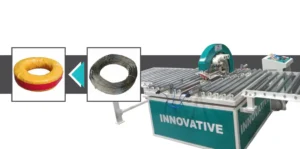
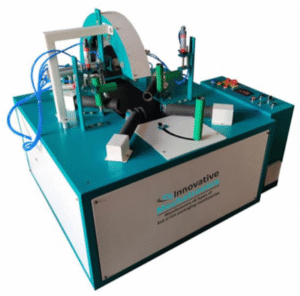
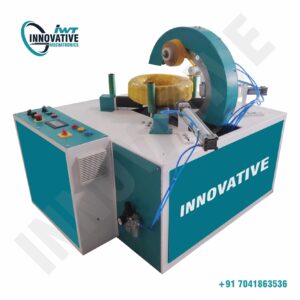
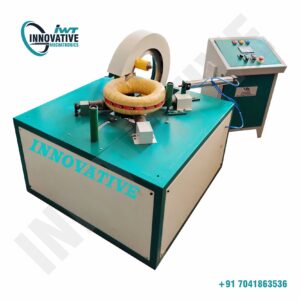
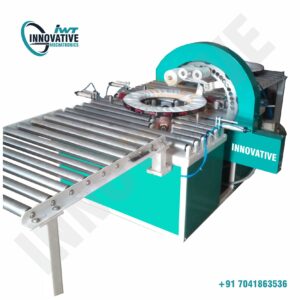
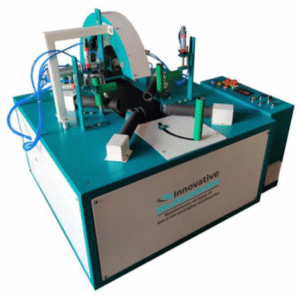
A Horizontal Coil Stretch Wrapping Machine (frequently called an orbital or radial coil wrapper) provides a highly efficient, automated solution designed specifically to protect ring-shaped products.
Why Is This Machine Vital in Modern Industry?
Manually wrapping a 5-ton steel coil or a bundle of delicate copper tubing slows down production lines and poses immense safety hazards. These machines have become critical to modern operations for three main reasons:
-
Eliminates Internal Corrosion: Metals "breathe" and sweat during shipping across changing climates. This machine wraps tightly enough to seal out oxygen and moisture, especially when paired with Volatile Corrosion Inhibitor (VCI) films.
-
Reduces Product Damage Claims: Scratching, uncoiling, or denting a premium aluminum strip during transport results in costly scrap. Machine-wrapped coils survive harsh freight handling intact.
-
Boosts Throughput Speed: A manual crew might take 15–20 minutes to wrap a single massive steel coil. An automated machine completes the entire process flawlessly in less than 2 minutes.
Why is a Horizontal Coil Stretch Wrapping Machine Important?
Modern industries demand faster production, lower operating costs, and better product protection. Manual wrapping often produces inconsistent results, increases labor expenses, and exposes workers to repetitive physical tasks.
A Horizontal Coil Stretch Wrapping Machine solves these challenges by automating the packaging process. It ensures consistent wrapping quality, improves workplace safety, reduces packaging material consumption, and protects valuable products during transportation.
Businesses also benefit from improved inventory handling, fewer customer complaints related to damaged goods, and enhanced brand presentation through professional packaging.Customized Horizontal Coil Stretch Wrapping Machine
Industries with specialized packaging requirements often require custom-built machines. These systems accommodate unique coil dimensions, production layouts, automation levels, and handling requirements.
Best suited for:
- Heavy-duty steel plants
- Wire and cable manufacturers
- Export-oriented industries
- Customized production lines
Standard Technical Specifications
Typical specifications may include:
- Machine Type: Horizontal Coil Stretch Wrapping Machine
- Operation: Semi-Automatic or Fully Automatic
- Wrapping Material: LLDPE Stretch Film
- Film Width: 100–250 mm
- Film Thickness: 17–35 Micron
- Coil Diameter: Customized
- Coil Width: Customized
- Wrapping Speed: Adjustable
- Control System: PLC with Touchscreen HMI
- Power Supply: 415V, 50Hz, 3 Phase (or as required)
- Drive System: AC Variable Frequency Drive
- Machine Construction: Heavy-Duty Mild Steel
- Safety Features: Emergency Stop, Safety Guards, Sensors
- Automation Level: Manual, Semi-Automatic, Fully Automatic